


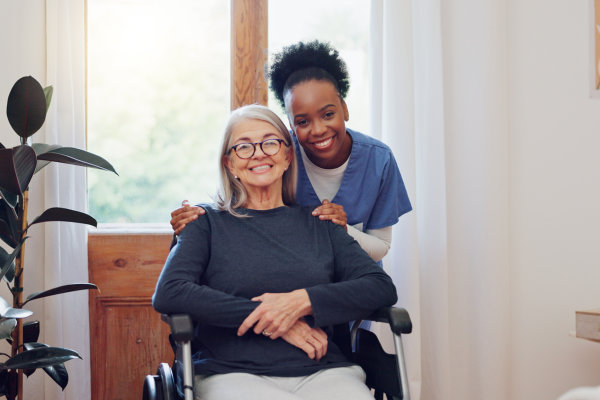
If you’re finding yourself in and out of the hospital because of COPD, you’re not alone. Many patients diagnosed with COPD are discharged—only to return within 30 days. This issue became so common that Medicare stopped reimbursing hospitals for COPD readmissions within that 30-day window.
Because of this, hospitals began developing COPD education programs and discharge plans to help patients stay stable at home and prevent unnecessary readmissions.
Hi, I’m Erica Thomas, Respiratory Therapist and owner of Lillie’s Helpers Home Care, and today I’m sharing practical steps you can take to avoid COPD readmissions and take control of your breathing and overall health.
Why Do COPD Patients Return to the Hospital?
Most COPD readmissions happen because of preventable triggers and unmanaged symptoms, including:
- Continued smoking
- Exposure to secondhand smoke
- Not recognizing early signs of a flare-up
- Not knowing their personal COPD triggers
- Incorrect use of medications
- Poor follow-up care after discharge
Understanding why readmissions occur is the first step in preventing them.
7 Ways to Reduce COPD Hospital Readmissions
-
Quit Smoking (Your #1 Protection)
Quitting smoking is the most important step you can take. But we also know—it’s one of the hardest.
Here are simple ways to begin:- Split your cigarette pack in half to reduce daily smoking
- Use nicotine gum, patches, or lozenges
- Ask your doctor about prescription medications to help you quit
- Avoid being around other smokers
- Remember: secondhand smoke can trigger flare-ups just as much as smoking yourself
Every cigarette avoided is a step toward preventing your next hospitalization.
-
Know Your Triggers
Everyone with COPD has unique triggers.
Common triggers include:- Dust
- Pollen
- Smoke
- Perfumes or strong odors
- Cold air
- Animal hair
Recognizing your triggers early helps you avoid flare-ups that lead to hospital visits.
-
Prevent COPD Flare-Ups
A flare-up happens when COPD symptoms suddenly worsen.
You can prevent flare-ups by:- Taking daily maintenance medications (morning and night)
- Using rescue inhalers only during flare-ups, not daily
- Avoiding environmental triggers
- Wearing masks when outside during high-pollen or cold weather
- Keeping your home clean and ventilated
Important: If you use your rescue inhaler every day like a maintenance inhaler, it won’t work well during a real emergency. Always ask your doctor to explain which inhaler is for daily maintenance and which is for rescue use.
-
Use Your Medications Correctly
Improper inhaler use is one of the top causes of COPD readmissions.
If you’re using an inhaler:Ask your doctor for a spacer
It helps deliver medication deeper into your lungs.
If a spacer is not available, use the 4-Finger Technique:- Hold the inhaler four finger-widths away from your mouth
- Press down on the inhaler
- Inhale slowly
- Hold your breath 3–5 seconds to allow medication to reach your lungs
If the inhaler is inside your mouth, most of the medication stays in your mouth—not your lungs.
-
Join Pulmonary or Cardiac Rehab
Many people believe they cannot exercise because of COPD—but this is untrue.
Pulmonary rehab is one of the most effective ways to reduce flare-ups and prevent hospital readmissions.In rehab, you are safely monitored by:
- Registered respiratory therapists
- Physical therapists
Even if you use oxygen, you can still participate.
The more consistently you attend, the better your energy, breathing, and stability will become. -
Consider Palliative Care
Palliative care does not mean end-of-life care.
For COPD, it means:- Extra support
- Help managing symptoms
- Emotional support
- Close monitoring
- Better comfort at home
Many COPD patients benefit from palliative care because it keeps them safe, stable, and well-managed at home.
-
Hire a Home Care Agency That Specializes in COPD
A general caregiver may not recognize the early signs of a COPD flare-up—but a specialized home care agency can.
At Lillie’s Helpers Home Care, we specialize in COPD care because I am a respiratory therapist with over 20 years of experience. I personally train our caregivers to:- Recognize flare-up symptoms early
- Understand rescue vs maintenance medications
- Provide proper breathing support
- Help clients avoid triggers
- Assist with safe daily activities
- Support in-home exercise when rehab isn’t an option
- Be part of your palliative care team
- Monitor changes that may require medical attention
This level of support can significantly reduce hospital readmissions.
Final Thoughts
COPD readmissions are not inevitable.
With the right tools, education, lifestyle changes, and home support, you can stay stable and safe at home—without returning to the hospital every few weeks.
To learn more about how we help COPD patients manage their symptoms and stay out of the hospital, visit:
Lily’s Helpers Home Care
We are there when you need a helping hand.
Leave a Reply